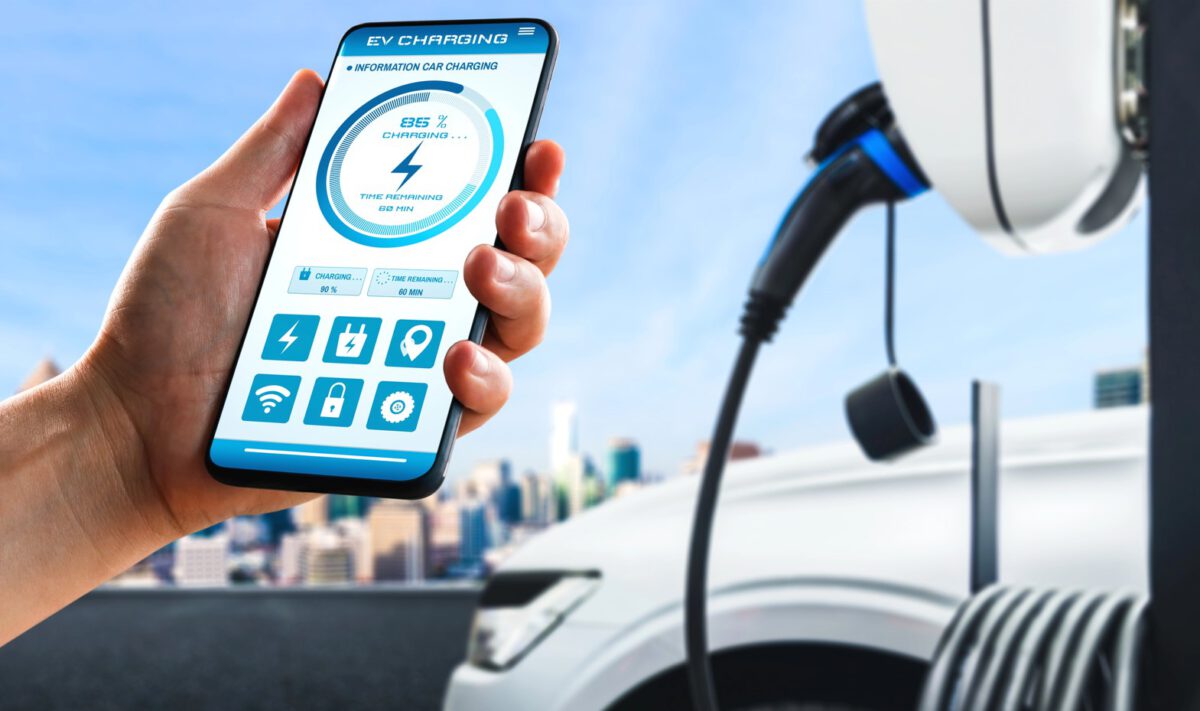
The main objective of this project is to develop an efficient and intelligent EV charging station prototype that monitors electrical parameters and provides controlled charging functionality.
The system combines an embedded controller with electrical sensing components and a suitable charging control circuit. It helps users and administrators observe charging conditions while supporting structured monitoring of energy consumption.
Main project objectives:
Develop an embedded electric vehicle charging station prototype.
Monitor charging voltage and current.
Calculate power consumption and energy usage.
Control charging operations using an embedded controller.
Display charging status and electrical measurements.
Provide protection against abnormal operating conditions.
Support automatic charging control based on configured conditions.
Explore IoT-based remote monitoring capabilities.
Improve charging operation visibility and energy management.
The project demonstrates the integration of power electronics, embedded programming, electrical measurement, and intelligent control.
Key Features & Benefits
Key Features of the Smart EV Charging Station
The charging station can include several functional modules to support safe and organized charging operations.
1. Voltage Monitoring
A suitable voltage measurement circuit monitors the electrical supply and provides voltage information to the controller.
2. Current Monitoring
A current sensor measures the electrical current flowing through the charging circuit. This information helps monitor the charging process and identify abnormal current conditions.
3. Power and Energy Measurement
The system can calculate electrical power using voltage and current measurements. Energy consumption can be estimated over the charging duration and displayed to the user.
4. Automatic Charging Control
An embedded controller can operate an appropriately rated switching or charging-control circuit based on configured charging conditions.
5. Charging Status Display
An LCD, OLED, or web-based dashboard can display voltage, current, power, charging status, and other available measurements.
6. Overcurrent and Overvoltage Protection
The system can monitor electrical conditions and initiate protective actions when configured safety limits are exceeded. Protection must be implemented using properly rated independent hardware and validated safety circuits.
7. Battery Charging Monitoring
Where supported by the charging hardware and battery management system, the application can display charging information such as charging progress and battery status.
8. IoT-Based Remote Monitoring
A communication module such as Wi-Fi, GSM, or another supported network interface can transmit charging information to a remote dashboard.
Implementation Guide
Technologies and Hardware Components Used
The project combines embedded hardware, electrical measurement components, power control circuits, and communication technologies.
ESP32 / Arduino: Acts as the main embedded controller for collecting sensor readings, processing measurements, and managing control signals.
Voltage Sensor: Measures the electrical voltage supplied to the charging system using an appropriately designed and isolated measurement circuit.
Current Sensor: Components such as Hall-effect current sensors can measure current flowing through the charging circuit.
Power Measurement Module: A suitable metering circuit can measure voltage, current, power, and energy consumption.
Relay / Contactor: A suitably rated switching device can control the charging circuit under the supervision of the charging controller and independent protection system.
LCD / OLED Display: Displays electrical measurements, charging status, and system information.
Wi-Fi / GSM Module: Supports remote data transmission and monitoring, depending on the selected system architecture.
Battery Management System (BMS): Manages battery-related functions such as cell monitoring, charging limits, and protection. The EV battery must be charged through a compatible charging system.
Python / Flask: Can be used to build a web-based monitoring dashboard for displaying charging information.
MySQL: Can store charging sessions, energy measurements, device information, and historical records.
Power Electronics: Appropriate converters, charging controllers, isolation components, and protective devices are required to manage electrical power safely.
Technical Specifications
System Architecture and Implementation Process
The proposed system follows a workflow involving electrical measurement, data processing, charging control, and monitoring.
Step 1: Power Supply and Charging Setup
The charging station receives electrical power through a properly designed and protected supply arrangement. The charging hardware must be compatible with the target EV or battery system.
Step 2: Electrical Parameter Measurement
Voltage and current sensors collect electrical measurements from the charging system. These readings are transferred to the embedded controller.
Step 3: Data Processing
The controller processes the sensor readings and calculates relevant values such as power consumption and charging duration.
Step 4: Charging Control
Based on configured operating conditions and signals from the charging controller, the system manages the charging enable or disable operation.
Step 5: Safety Monitoring
The system monitors for abnormal voltage, current, temperature, or other supported fault conditions. Protective circuits and hardware interlocks must operate independently where required.
Step 6: User Interface and Status Display
The measured values and charging status are displayed through a local screen or connected dashboard.
Step 7: IoT Data Transmission
When network connectivity is available, the controller sends charging information to a remote monitoring platform for viewing and historical analysis.
Step 8: Energy Usage Analysis
The application stores charging session information and calculates energy consumption. These records can help users understand charging patterns and system performance.
This architecture provides a foundation for developing a connected EV charging prototype with measurement, control, and monitoring capabilities.
Conclusion & Next Steps
Conclusion
The Efficient Electric Vehicle Charging Station project demonstrates how embedded systems and power electronics can be integrated to develop a smart EV charging solution. By combining electrical parameter monitoring, charging control, energy measurement, and IoT connectivity, the project provides a practical foundation for exploring intelligent charging infrastructure.
The project is suitable for students interested in embedded systems, electrical engineering, IoT, and renewable energy technologies. With additional capabilities such as solar integration, smart load management, remote monitoring, and predictive maintenance, the system can be extended into a more advanced EV charging platform.