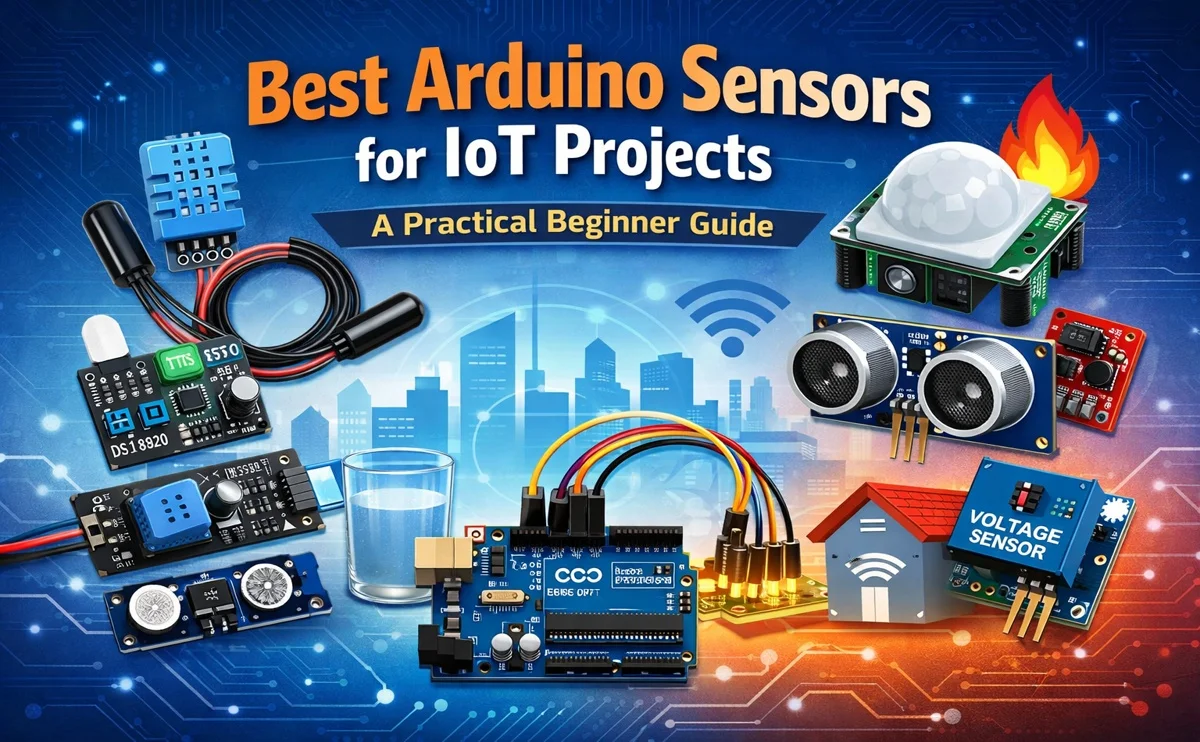
Discover Electrical IoT project ideas for final-year engineering students combining electrical engineering, Internet of Things technology, sensors, microcontrollers, wireless communication, and real-time monitoring. These projects can be adapted for academic demonstrations, research, and prototype development.
IoT-Based Smart Energy Meter with Real-Time Electricity Monitoring
IoT-Based Electrical Power Consumption Monitoring System
Smart Grid Monitoring and Control Using IoT
IoT-Based Transformer Health Monitoring System
Wireless Transmission Line Fault Detection Using IoT
IoT-Based Three-Phase Voltage and Current Monitoring System
Smart Street Light Automation Using IoT
IoT-Based Solar Power Generation Monitoring System
Smart Battery Voltage and Temperature Monitoring Using IoT
IoT-Based Power Theft Detection and Alert System
Electrical Equipment Temperature Monitoring Using IoT Sensors
IoT-Based Automatic Power Factor Monitoring System
Smart Home Electrical Load Control Using IoT
IoT-Based Circuit Breaker Status Monitoring System
Remote Monitoring of Industrial Electrical Motors Using IoT
IoT-Based Energy Management System for Smart Buildings
Renewable Energy Monitoring Using IoT and Wireless Sensors
IoT-Based Electrical Fire and Overheating Detection System
Smart Distribution Panel Monitoring Using IoT
IoT-Based Power Quality Monitoring System
Wireless Monitoring of Generator Voltage and Frequency
IoT-Based Electric Vehicle Charging Station Monitoring
Smart Microgrid Monitoring Using IoT Technology
IoT-Based Electrical Fault Alert and Notification System
AI-Assisted Electrical Equipment Predictive Maintenance Using IoT
These Electrical IoT projects can use suitable sensors, microcontrollers, communication modules, cloud platforms, dashboards, and databases. Depending on the selected topic, students may use ESP32, Arduino, ESP8266, or other compatible controllers with technologies such as Wi-Fi, MQTT, HTTP APIs, and web-based monitoring.
Electrical measurements must be performed using appropriately rated sensors and isolated measurement circuits. High-voltage projects require proper protection and qualified supervision.
Key Features & Benefits
Applications of Electrical IoT Projects
Smart Energy Monitoring: IoT-based energy meters and power monitoring systems help measure electricity usage, identify consumption patterns, and present readings through online dashboards.
Power System Monitoring: Wireless monitoring can provide information about voltage, current, frequency, equipment status, and selected fault conditions.
Transformer and Motor Monitoring: Temperature, vibration, current, and other sensor readings can support condition monitoring and early identification of abnormal operating behaviour.
Renewable Energy Systems: IoT platforms can monitor solar panel output, battery conditions, inverter parameters, and renewable energy generation.
Smart Homes and Buildings: Connected devices can monitor electrical loads, automate lighting, track energy usage, and support remote switching where suitable protection is implemented.
Industrial Automation: IoT systems can provide remote visibility into equipment operating conditions, electrical parameters, alarms, and maintenance requirements.
Power Theft and Fault Alerts: Sensor-based monitoring can flag unusual consumption patterns or abnormal electrical measurements for further investigation.
Electric Vehicle Infrastructure: IoT technology can monitor charging sessions, electrical parameters, equipment status, and selected charging station conditions.
Smart Grids and Microgrids: Connected monitoring systems can help visualize distributed energy resources, local loads, and selected grid operating parameters.
Predictive Maintenance: Historical sensor readings can be analysed to identify trends and potential equipment problems before a failure occurs.
Implementation Guide
Who Can Benefit and Project Domains
Who Can Benefit?
BE and B.Tech students in Electrical and Electronics Engineering (EEE).
Electronics and Communication Engineering (ECE) students interested in connected devices and sensor systems.
Instrumentation and Control Engineering students.
Computer Science and IT students working on IoT dashboards, APIs, cloud integration, and data analysis.
Diploma students exploring electrical monitoring and automation.
ME and M.Tech students researching smart grids, energy management, and industrial monitoring.
Final-year students preparing IoT prototypes, technical reports, and project demonstrations.
Major Electrical IoT Project Domains
Electrical Power Systems: Power monitoring, transformer monitoring, distribution panel monitoring, and fault alerts.
Smart Energy Management: Smart meters, electricity usage tracking, load monitoring, and energy optimization.
Renewable Energy: Solar generation monitoring, battery monitoring, inverter monitoring, and hybrid energy systems.
Industrial IoT: Motor condition monitoring, electrical equipment monitoring, predictive maintenance, and remote alarms.
Smart Homes and Buildings: Connected lighting, electrical load control, occupancy-based automation, and building energy dashboards.
Smart Grids: Grid parameter monitoring, microgrid visualization, distributed generation monitoring, and connected energy systems.
Embedded Systems: ESP32, Arduino, sensor interfacing, communication modules, and microcontroller-based monitoring.
Cloud and Web Applications: IoT dashboards, database storage, REST APIs, remote monitoring, and alert notifications.
Artificial Intelligence: Sensor-data analysis, anomaly detection, predictive maintenance, and intelligent energy monitoring.
Technical Specifications
Why Choose Aislyn Technologies?
Aislyn Technologies, Bangalore, provides project guidance for students exploring Electrical IoT projects, embedded systems, energy monitoring, industrial automation, and smart power applications.
Project Topic Selection: Explore suitable project ideas based on your department, academic requirements, budget, and preferred technology.
Hardware and Sensor Guidance: Understand the role of voltage sensors, current sensors, temperature sensors, vibration sensors, microcontrollers, and communication modules.
IoT Integration Support: Explore how sensor data can be transmitted through Wi-Fi, MQTT, HTTP APIs, or other appropriate communication methods.
Dashboard Development Guidance: Learn how to display live electrical measurements, historical readings, device status, and alerts through web-based dashboards.
Database and API Support: Understand how to store sensor readings, retrieve recent measurements, and connect embedded devices with backend applications.
Testing and Troubleshooting: Learn how to investigate sensor errors, communication failures, incorrect readings, API issues, and dashboard integration problems.
Documentation Guidance: Organize your project objectives, block diagrams, hardware requirements, circuit details, software architecture, test results, and conclusions.
Project Demonstration Support: Plan a clear demonstration showing how the selected IoT system collects data, communicates readings, and presents useful information.
Whether you are looking for an IoT-based energy meter, transformer monitoring system, smart grid project, solar monitoring solution, or industrial electrical IoT application, Aislyn Technologies can help you explore options suited to your academic requirements.
Conclusion & Next Steps
Contact Aislyn Technologies, Bangalore
Aislyn Technologies
Bangalore, Karnataka, India
Phone: +91 97395 94609
Email: info@aislyntech.com
Website: https://aislyn.in
Looking for the best Electrical IoT projects for your final-year engineering course? Contact Aislyn Technologies, Bangalore, to discuss project ideas involving smart energy meters, electrical monitoring, transformer protection, renewable energy, IoT dashboards, and embedded automation.
Share your department, preferred project topic, hardware platform, and software requirements to explore a suitable Electrical IoT project for your academic work.