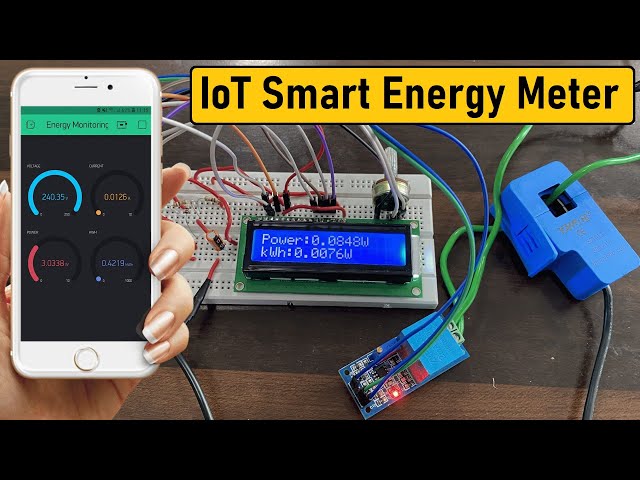
Smart Meter Data Analysis and Electricity Usage Prediction
Solar-Wind Hybrid Energy Management System
Automatic Load Scheduling for Smart Homes
Smart EV Charging Load Management System
Energy Theft Detection Using Smart Meter Data
IoT-Based Transformer Energy Monitoring System
Microgrid Energy Management with Battery Storage
Smart Building Energy Optimization Using Sensors
AI-Based Energy Consumption Anomaly Detection
Renewable Energy Generation Forecasting Using Machine Learning
Smart Power Distribution and Load Balancing System
Real-Time Power Quality and Energy Monitoring System
Intelligent Energy Management for Solar-Powered Homes
These smart energy project ideas combine electrical engineering, renewable energy, IoT, embedded systems, data analytics, and automation. Students can choose hardware-based, simulation-based, or software-based projects depending on their academic requirements, available resources, budget, and technical interests.
Key Features & Benefits
Applications of Smart Energy Projects
Smart Homes: Smart home energy management systems monitor electricity consumption and help automate selected electrical loads to support efficient energy usage.
Industrial Energy Management: Industrial monitoring projects track energy consumption, identify unusual usage patterns, and help evaluate opportunities for energy savings.
Renewable Energy Systems: Solar, wind, and hybrid energy management projects explore how renewable generation can be coordinated with energy demand and storage.
Smart Grids: Smart meters, load balancing, and energy management systems demonstrate how monitoring and automation can support modern electrical networks.
Commercial Buildings: Building energy optimization projects investigate lighting, cooling, and electrical load control based on occupancy, environmental conditions, or predefined schedules.
Electric Vehicle Charging: Smart EV charging projects explore charging schedules and load management to help coordinate vehicle charging with available electrical capacity.
Battery Storage: Battery monitoring and energy management projects help students study energy storage, charging, discharging, and integration with renewable sources.
Energy Forecasting: Python, machine learning, and historical energy data can be used to estimate electricity demand and analyse consumption patterns.
Implementation Guide
Who Can Benefit and Project Domains
Who Can Benefit?
BE and B.Tech Electrical and Electronics Engineering students.
ME and M.Tech students researching energy systems and smart grids.
Diploma students interested in electrical monitoring and automation.
Final-year students preparing smart energy project demonstrations and reports.
Students learning Arduino, ESP32, Python, IoT, and MATLAB Simulink.
Researchers exploring energy efficiency, renewable energy integration, and intelligent power management.
Major Smart Energy Project Domains
Energy Monitoring: Smart meters, voltage and current monitoring, power measurement, and consumption dashboards.
IoT and Embedded Systems: Arduino, ESP32, sensor integration, remote monitoring, and automated energy control.
Renewable Energy Management: Solar PV monitoring, wind energy integration, hybrid systems, and battery storage.
Artificial Intelligence: Load forecasting, energy demand prediction, anomaly detection, and consumption analysis.
Smart Buildings: Automated lighting, HVAC energy management, occupancy-based control, and building energy optimization.
Smart Grids: Load balancing, smart metering, distribution monitoring, and demand response.
Electric Vehicles: Smart charging schedules, charging load management, and renewable-powered EV charging.
Power Quality and Efficiency: Power factor correction, energy loss analysis, electrical parameter monitoring, and load optimization.
Technical Specifications
Why Choose Aislyn Technologies?
Aislyn Technologies, Bangalore, provides technical guidance for students exploring smart energy projects and modern electrical engineering applications.
Project Topic Selection: Get guidance in selecting a project based on your academic level, technical interests, budget, and implementation requirements.
Design and Simulation Guidance: Explore energy monitoring, load management, renewable energy integration, and energy optimization using suitable engineering tools.
Hardware and Component Guidance: Understand the sensors, controllers, meters, communication modules, and electrical components required for your chosen project.
Programming and IoT Integration: Explore Arduino, ESP32, Python, MATLAB, Simulink, and IoT dashboards where appropriate.
Data Analysis and Monitoring: Learn how to collect energy data, visualize consumption, analyse patterns, and configure alerts for abnormal readings.
Testing and Troubleshooting: Understand how to validate measurements, evaluate system performance, and investigate implementation issues.
Documentation Guidance: Organize project objectives, methodology, system diagrams, implementation details, test results, and conclusions for academic presentation.
Whether you are interested in smart meters, renewable energy management, smart buildings, EV charging, or AI-based energy forecasting, Aislyn Technologies can help you explore suitable project options and understand their technical requirements. Available services and implementation support can be discussed based on your selected topic.
Conclusion & Next Steps
Contact Aislyn Technologies, Bangalore
Aislyn Technologies
Bangalore, Karnataka, India
Phone: +91 97395 94609
Email: info@aislyntech.com
Website: https://aislyn.in
Looking for the best smart energy projects for your final-year engineering course? Contact Aislyn Technologies, Bangalore, to discuss project ideas involving smart energy meters, IoT-based monitoring, renewable energy management, smart grids, battery storage, energy-efficient buildings, and intelligent load control.
Share your department, preferred technology, project budget, and implementation requirements to explore a suitable smart energy project for your academic work.