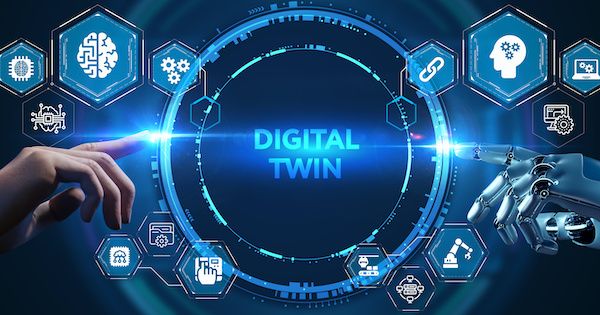
Digital twin technology is an emerging area of engineering that combines virtual models, real-time sensor data, simulation, and data analytics to represent physical objects, machines, buildings, and industrial processes. Digital twins help users monitor system conditions, evaluate performance, identify possible faults, and explore improvements before implementing changes in the physical environment.
Students can develop digital twin projects by combining the Internet of Things (IoT), artificial intelligence, machine learning, cloud computing, 3D visualization, and engineering simulation. These projects are suitable for diploma students, B.E., B.Tech, M.E., M.Tech, and research scholars across multiple engineering disciplines.
Aislyn Technologies helps students explore digital twin project ideas and suitable implementation approaches for academic projects, demonstrations, and technical research.
Top 25 Digital Twin Project Ideas for Students
1. Digital Twin for Smart Manufacturing
Create a virtual factory model that displays machine status, production counts, operating conditions, and manufacturing performance.
2. Digital Twin for Predictive Maintenance
Use temperature and vibration data to analyse machine conditions and identify patterns associated with potential equipment failures.
3. IoT-Based Smart Building Digital Twin
Develop a virtual building model that displays room temperature, lighting, occupancy, and energy consumption using sensor data.
4. Digital Twin of an Industrial Motor
Represent a motor virtually and visualize operating speed, temperature, vibration, and running status.
5. Smart Grid Digital Twin
Simulate an electrical distribution network and analyse voltage, load demand, power flow, and selected fault scenarios.
6. Digital Twin for Smart Traffic Management
Create a traffic simulation that visualizes vehicle movement, road congestion, signal timing, and traffic flow.
7. Digital Twin for HVAC Energy Optimization
Model a heating, ventilation, and air-conditioning system to study temperature control, cooling performance, and energy consumption.
8. Solar Power Plant Digital Twin
Develop a virtual solar installation that displays power generation, panel temperature, irradiance, and energy output.
9. Smart Water Management Digital Twin
Monitor water levels, flow rates, pump status, and water consumption through a virtual water distribution model.
10. Digital Twin for Electric Vehicle Battery Monitoring
Visualize battery voltage, current, temperature, state of charge, and simulated battery performance.
11. Digital Twin for Industrial Robotic Arms
Simulate robotic movements, operating sequences, workspace constraints, and task performance in a virtual environment.
12. Digital Twin for Wind Turbine Monitoring
Model a wind turbine using wind speed, rotational speed, temperature, and power generation data.
13. Digital Twin for Smart Agriculture
Combine soil moisture, temperature, humidity, and irrigation data to represent field conditions and support irrigation planning.
14. Digital Twin for Structural Health Monitoring
Create a virtual model of a bridge or building and visualize vibration, strain, tilt, or other structural measurements.
15. Digital Twin for Warehouse Management
Visualize warehouse layouts, inventory movement, storage locations, and material handling operations.
16. Digital Twin for Industrial Conveyor Systems
Simulate conveyor movement, product counting, sensor signals, operating sequences, and production interruptions.
17. Digital Twin for Data Center Energy Management
Monitor server-room temperature, cooling performance, energy consumption, and simulated equipment conditions.
18. Digital Twin for Railway Asset Monitoring
Represent selected railway assets and visualize equipment status, vibration, temperature, and maintenance indicators.
19. Digital Twin for Smart Parking
Build a virtual parking facility that displays available spaces, occupancy status, and vehicle entry and exit information.
20. Digital Twin for Healthcare Equipment
Create a virtual equipment-monitoring model that displays operating parameters and maintenance indicators using simulated or authorized data.
21. Digital Twin for Oil and Gas Pipeline Monitoring
Model a pipeline and visualize pressure, flow rate, temperature, and abnormal operating conditions using simulated or permitted sensor data.
22. Digital Twin for Smart City Infrastructure
Combine traffic, environmental, building, and infrastructure datasets to create a virtual representation of selected city systems.
23. AI-Based Digital Twin for Quality Inspection
Combine a virtual production process with machine learning to analyse inspection results and identify potential quality issues.
25. Digital Twin for Industrial Energy Optimization
Create a virtual industrial energy model that tracks consumption, compares operating scenarios, and identifies potential energy-saving opportunities.
Technologies Used in Digital Twin Projects
Depending on the selected project, students can use Python, MATLAB/Simulink, JavaScript, React, Node.js, Flask, IoT sensors, MQTT, databases, and 3D visualization tools such as Unity or compatible simulation platforms.
Projects can also integrate machine learning, cloud computing, industrial communication protocols, and interactive dashboards. A basic project may use simulated data, while an advanced project can connect physical sensors to a virtual model for continuous updates.
Selecting a project with clear objectives, measurable outputs, and a manageable implementation scope helps students demonstrate both engineering knowledge and software development skills.
Key Features & Benefits
Applications of Digital Twin Technology
Digital twin technology connects physical systems with virtual representations to support monitoring, simulation, analysis, and operational planning. Student projects demonstrate how engineering data can be transformed into useful visualizations and analytical insights.
1. Smart Manufacturing and Industry 4.0
Digital twins can represent production lines, manufacturing equipment, and factory operations. Students can explore production monitoring, equipment utilization, and process optimization.
2. Predictive Maintenance
Digital twin models can combine equipment sensor data with analytical models to identify unusual operating patterns and estimate maintenance requirements.
3. Smart Buildings and Infrastructure
Building digital twins can visualize room conditions, energy usage, occupancy, ventilation, and selected facility operations.
4. Energy and Renewable Power
Solar, wind, and electrical system models can help users study power generation, energy demand, system performance, and operating scenarios.
5. Transportation and Smart Cities
Traffic, parking, and transportation digital twins can simulate vehicle movement, congestion, asset conditions, and urban infrastructure.
6. Healthcare and Biomedical Research
Digital twin concepts can support research into medical equipment, physiological modelling, and healthcare operations. Clinical applications require appropriate validation and qualified oversight.
7. Agriculture and Environmental Monitoring
Agricultural digital twins can combine sensor readings with environmental models to analyse soil conditions, irrigation requirements, and growing conditions.
8. Robotics and Automation
Virtual robotic models can support movement simulation, workspace analysis, process planning, and testing before physical deployment.
9. Supply Chain and Logistics
Digital twins can visualize warehouse operations, inventory levels, transport routes, and delivery workflows.
10. Water and Industrial Process Management
Digital twins can monitor water flow, tank levels, pumps, process temperatures, and other operating variables.
11. Civil Engineering and Structural Monitoring
Structural models can integrate sensor readings to help evaluate vibration, strain, displacement, and other indicators of structural behaviour.
12. Data Centers and IT Infrastructure
Virtual models can represent cooling systems, power consumption, equipment utilization, and operating conditions.
These applications make digital twin projects useful for students studying engineering simulation, IoT, AI, automation, and data analytics. Project results should be validated against appropriate measurements or simulation benchmarks before drawing conclusions about real-world performance.
Implementation Guide
Who Can Benefit from Digital Twin Projects?
Digital twin projects are suitable for students and researchers who want to combine engineering systems, virtual modelling, software development, and data analysis.
CSE and IT Students: Develop software-based digital twins, cloud-connected monitoring applications, AI analytics, and interactive visualization dashboards.
ECE Students: Explore sensor integration, embedded systems, communication protocols, edge computing, and real-time equipment monitoring.
EEE Students: Build digital twins for electrical machines, power distribution, renewable energy, smart grids, and energy management.
Mechanical Engineering Students: Develop virtual models of machines, manufacturing processes, robotic systems, HVAC equipment, and mechanical components.
Civil Engineering Students: Explore digital twins for buildings, bridges, structural health monitoring, construction processes, and smart city infrastructure.
Biomedical Engineering Students: Investigate equipment monitoring, biomedical simulation, and research-oriented physiological models using appropriate datasets.
Diploma and Undergraduate Students: Begin with sensor-based monitoring, simple 3D models, simulation applications, and dashboard development.
M.E., M.Tech, and Research Scholars: Explore advanced simulation, AI-based prediction, digital twin architecture, system optimization, and research-oriented modelling.
IoT and Embedded Systems Developers: Connect physical devices to virtual models using sensors, microcontrollers, communication gateways, and data-processing applications.
Startups and Industry Teams: Develop proof-of-concept systems for asset monitoring, operational visualization, predictive maintenance, and process analysis.
Digital Twin Project Domains
Digital Twin Technology and Simulation
Internet of Things (IoT)
Artificial Intelligence and Machine Learning
Industrial Automation and Industry 4.0
Embedded Systems and Sensor Integration
Cloud Computing and Edge Computing
3D Modelling and Visualization
Robotics and Autonomous Systems
Smart Buildings and Smart Cities
Renewable Energy and Smart Grids
Predictive Maintenance and Fault Analysis
Manufacturing and Supply Chain Management
Civil Infrastructure and Structural Monitoring
Biomedical Modelling and Healthcare Research
Data Analytics and Process Optimization
The most suitable project depends on your engineering branch, technical background, available tools, hardware requirements, project duration, and academic objectives. A well-defined project scope helps students complete a meaningful demonstration within the available time.
Technical Specifications
Why Choose Aislyn Technologies for Digital Twin Projects?
Aislyn Technologies, Bangalore, provides project guidance for students interested in digital twin technology, industrial simulation, IoT integration, AI-based analytics, and engineering applications.
Project Topic Selection
Explore digital twin topics aligned with your academic branch, interests, technical knowledge, and project requirements.
Practical Implementation Guidance
Understand how to design a virtual model, collect relevant data, configure system components, and visualize operating conditions.
IoT and Sensor Integration
Explore how sensors, microcontrollers, communication protocols, and data-processing services can connect physical systems with digital models.
AI and Predictive Analytics
Investigate machine learning methods for anomaly detection, performance forecasting, predictive maintenance, and operational analysis.
Simulation and Visualization
Explore suitable tools for 3D modelling, engineering simulation, virtual environments, and interactive dashboards.
Flexible Project Scope
Choose a software-only simulation, an IoT-based prototype, a 3D digital twin, or a combined hardware and software implementation according to your requirements.
Academic Project Support
Organize project objectives, system architecture, methodology, implementation, testing, results, and technical documentation for academic evaluation.
Bangalore-Based Technical Assistance
Contact Aislyn Technologies to discuss your digital twin project requirements and identify an appropriate implementation approach.
Our objective is to help students understand digital twin concepts and develop projects that demonstrate practical engineering, programming, analytical, and problem-solving skills. Specific tools, hardware, and project support can be discussed according to individual requirements.
Conclusion & Next Steps
Contact Aislyn Technologies for Digital Twin Projects
Looking for the best digital twin projects for students? Contact Aislyn Technologies to discuss your mini-project, final-year engineering project, postgraduate research, or technology prototype.
Company: Aislyn Technologies, Bangalore
Phone: +91 97395 94609
Email: info@aislyntech.com
Website: https://aislyn.in
Whether you are interested in an IoT-based digital twin, smart manufacturing simulation, predictive maintenance system, smart agriculture application, renewable energy model, or AI-powered digital twin, contact our team to discuss your project requirements.
Get started with your digital twin project and explore practical implementation options with Aislyn Technologies.











.png)