ABSTRACT:
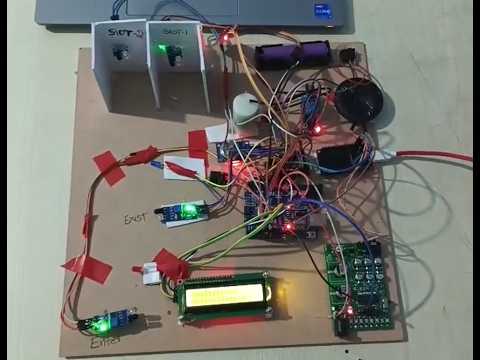
The IoT-Enabled Intelligent Washroom Management System for Hygiene and Energy Efficiency is an innovative solution designed to enhance cleanliness, convenience, and sustainability in public and private washrooms. The system employs IoT sensors and automation to monitor and manage washroom conditions efficiently. Using infrared (IR) sensors, it counts individuals entering and exiting the washroom to determine real-time occupancy status, which is displayed through OLED/LCD screens and LED indicators as “Free,” “Occupied,” or “Crowded.” Additionally, gas sensors detect foul odors and alert maintenance staff via a buzzer, while a relay-controlled air freshener system automatically activates when poor air quality is detected.
To ensure water and energy conservation, the system automatically switches off lights and water valves when the washroom is unoccupied. Furthermore, several advanced features are integrated to enhance user experience and hygiene management. The system checks the water level before a person enters the washroom and provides an alert if the water level is insufficient. A cleanliness detection mechanism assesses whether the washroom is clean or requires maintenance, informing users before entry. A voice-guided alert system communicates which cubicles are occupied or available, ensuring better user flow and accessibility. Moreover, a QR code-based payment system enables controlled and accountable washroom access, suitable for smart public infrastructure.
Overall, this intelligent washroom management system utilizes IoT-based sensing, automation, and communication technologies to promote hygiene, optimize resource usage, and deliver a user-friendly and smart sanitary experience.
INTRODUCTION:
With the growing need for smart infrastructure and hygiene awareness, the integration of Internet of Things (IoT) technology into daily utilities such as washrooms has become a significant innovation. Public and commercial washrooms often face challenges such as poor maintenance, unnecessary water and electricity consumption, lack of cleanliness monitoring, and user inconvenience due to overcrowding or unavailability. To address these issues, the IoT-Enabled Intelligent Washroom Management System aims to create an automated, efficient, and hygienic washroom environment using sensor-based monitoring and intelligent control mechanisms.
The proposed system uses a combination of IR sensors, gas sensors, water level sensors, and microcontrollers (such as Raspberry Pi or Arduino) to monitor various parameters in real-time. The IR sensors track the number of users entering and leaving the washroom to determine occupancy status, while gas sensors detect foul odors to maintain air quality. Additionally, relays and actuators are used to automate air fresheners, lights, and water valves, ensuring optimal energy and water usage.
To enhance user experience and sanitation management, several advanced features are introduced. Before entry, the system checks the water level and alerts users if the supply is low. A cleanliness detection sensor evaluates the washroom’s hygiene condition and displays whether it is clean or requires attention. A voice-based guidance system provides users with real-time information about cubicle availability and washroom status. Furthermore, the system incorporates a QR code-based payment feature that allows users to pay digitally before using the washroom, promoting accountability and efficient resource management.
By integrating these technologies, the intelligent washroom management system contributes to smart city initiatives, improving hygiene standards, conserving resources, and providing users with a more convenient and technology-driven washroom experience.
OBJECTIVE:
The primary objective of the IoT-Enabled Intelligent Washroom Management System for Hygiene and Energy Efficiency is to design and develop an automated, sensor-based system that enhances hygiene, optimizes energy and water usage, and improves user experience through smart technology integration.
Specific Objectives:
1. Occupancy Detection:
To accurately count individuals entering and exiting the washroom using Infrared (IR) sensors, enabling real-time occupancy tracking and crowd management.
2. Status Display:
To display washroom status such as “Free,” “Occupied,” or “Crowded” on an OLED/LCD screen and through LED indicators for user awareness.
3. Odor Monitoring and Maintenance Alert:
To detect foul odors using gas sensors (e.g., MQ series) and alert maintenance staff through a buzzer or display message, ensuring hygienic conditions.
4. Automatic Air Freshener Control:
To automatically activate air fresheners or exhaust fans using relay and motor control when poor air quality is detected.
5. Energy and Water Conservation:
To automatically turn off lights, fans, and water valves when the washroom is unoccupied, promoting efficient energy and resource utilization.
6. Water Level Monitoring:
To check the water tank or flush system level before user entry and display an alert if the water level is insufficient for proper operation.
7. Cleanliness Status Detection:
To determine whether the washroom is clean or dirty using cleanliness detection sensors and display the result to users before they enter.
8. Voice-Based User Alerts:
To provide voice notifications informing users about washroom conditions and which cubicles are occupied or available, improving user convenience and accessibility.
9. QR Code-Based Access and Payment:
To integrate a QR code scanning and payment system that allows users to make digital payments before entering the washroom, supporting secure and organized access in public facilities.
10. Smart Integration and Data Logging:
To utilize the Raspberry Pi or Arduino as a central controller for sensor integration, data collection, and cloud connectivity for monitoring and future analysis.
Block Diagram